

Air travel is one of the most regulated modes of transportation in the world, and Nigeria is no exception. In recent weeks, two separate incidents at Nigerian airports have stirred up nationwide debate on the importance of following aviation laws.
On August 5, veteran Fuji musician Wasiu Ayinde Marshal, popularly known as Kwam 1, was involved in a dispute onboard a ValueJet flight that escalated to the point of him allegedly blocking the aircraft’s movement on the runway.
And just a few days later, an Ibom Air passenger arriving from Uyo physically assaulted a crew member at Lagos’ Murtala Muhammed Airport, leading to her immediate flight ban.
Both situations, though different in detail, underline a single truth: the rules set by the Nigerian Civil Aviation Authority (NCAA) and the Federal Airports Authority of Nigeria (FAAN) are not mere formalities; they are safety and security measures with real consequences for non-compliance.
If you fly within or from Nigeria, here are five key aviation rules you should know and understand before boarding your next flight.
1. Compliance with Crew and Ground Staff Instructions

Under NCAA regulations, passengers must comply promptly with all lawful instructions given by the flight crew or authorised airport staff.
This covers everything from seating arrangements and safety demonstrations to boarding procedures and security checks. Ignoring instructions is considered interference with the safe operation of an aircraft and can result in removal from the flight, fines, or even arrest.
2. Prohibition of Alcohol and Restricted Substances Without Approval

Passengers are not permitted to consume self-bought alcohol onboard Nigerian flights unless expressly approved by the airline. Similar restrictions apply to any substance that could impair judgment, cause disturbance, or present a safety risk. Violating this rule can lead to confiscation of the substance, denial of boarding, or legal penalties.
3. No Disruption or Obstruction of Flight Operations
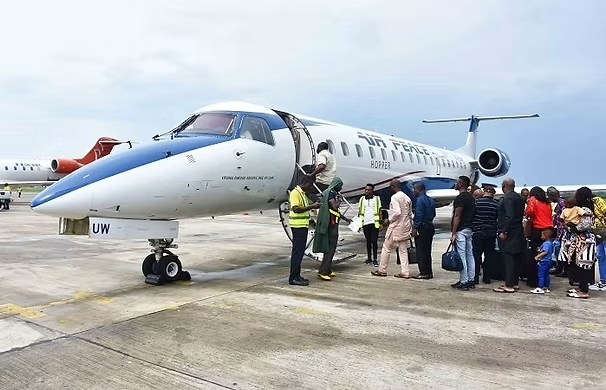
Interfering with the movement, navigation, or scheduled departure of an aircraft is a serious breach of aviation security. This includes actions such as blocking an aircraft, tampering with equipment, or engaging in behaviour that forces operational delays. Such conduct can attract criminal charges and long-term travel bans.
4. Zero Tolerance for Assault or Harassment of Aviation Personnel

Physical or verbal abuse against pilots, cabin crew, ground staff, or security personnel is strictly prohibited. Nigerian aviation law treats any form of assault within airport or aircraft premises as a security offence, subject to arrest, prosecution, and airline-imposed bans.
5. Restricted Access to Security-Controlled Areas

Only authorised personnel are allowed in certain zones, including the tarmac, cockpit, baggage handling sections, and specific boarding gates. Entering these areas without clearance is a security violation that can lead to arrest and prosecution. This rule is designed to protect passengers, staff, and aircraft from harm.
Aviation rules are not designed to inconvenience passengers, they exist to protect lives, safeguard equipment, and maintain operational efficiency.
The recent incidents in Abuja and Lagos are reminders that no traveller, regardless of status or circumstance, is above these regulations.
Respecting the rules ensures not only your safety but also the safety of everyone who shares the skies with you.
Discover more from LN247
Subscribe to get the latest posts sent to your email.


Comments are closed.