

An outbreak of the deadly Nipah virus in India’s West Bengal state has raised concerns across parts of Asia, prompting several countries to tighten health surveillance and screening at borders and airports.
Thailand has begun screening passengers at three airports receiving flights from West Bengal, while Nepal has introduced checks at Kathmandu airport and key land crossings with India.
So far, the World Health Organization has confirmed two cases involving 25-year-old nurses a woman and a man in West Bengal.
Health officials say the risk of a global emergency remains low despite the virus’s high fatality rate. Indian authorities have deployed an outbreak response team, while the US Centers for Disease Control and Prevention (CDC) said it is “monitoring” the situation and remains in contact with local officials.
What Is The Nipah Virus?

Nipah virus is a zoonotic disease, meaning it originates in animals and can spread to humans. It was first identified in 1999 following an outbreak among pigs and people in Malaysia and Singapore, according to the CDC.
Fruit bats are the primary carriers, and the virus can spread through direct or indirect contact with infected animals. Human-to-human transmission can also occur through close contact or exposure to the bodily fluids of an infected person.
Symptoms And Health Risks
Symptoms usually appear between four and 14 days after exposure. Early signs commonly include fever, headache, cough, sore throat, breathing difficulties, and vomiting. Because these symptoms resemble other illnesses, early diagnosis can be challenging.
In severe cases, the infection can lead to disorientation, drowsiness, seizures, or encephalitis, an inflammation of the brain which may progress rapidly to coma within 24 to 48 hours. The CDC estimates the fatality rate ranges from 40% to 75%. Some survivors experience long-term complications, including persistent convulsions.
How The Virus Spreads

Nipah virus can be transmitted from animals such as pigs and fruit bats to humans. It may also spread through contaminated food and from person to person via close contact or bodily fluids.
The World Health Organization has listed Nipah among its top ten priority diseases alongside Covid-19 and Zika due to its epidemic potential. While some infected individuals may show mild symptoms or none at all, others can develop severe respiratory illness or encephalitis.
Currently, no approved drugs or vaccines exist to treat or prevent the disease.
Is There A Cure Yet?
There is no specific cure for Nipah virus. Treatment focuses on supportive care, including rest, hydration, and management of symptoms.
Researchers are developing potential therapies. One promising option is a monoclonal antibody treatment that mimics the body’s natural immune response.
Dr. Diana Finkel, an associate professor of infectious diseases at Rutgers New Jersey Medical School, previously told ABC News that the drug has completed phase I clinical trials and is being used on a compassionate basis.
Scientists are also studying remdesivir, the antiviral drug used for COVID-19 which has shown effectiveness in nonhuman primate studies involving Nipah virus.
Prevention Measures
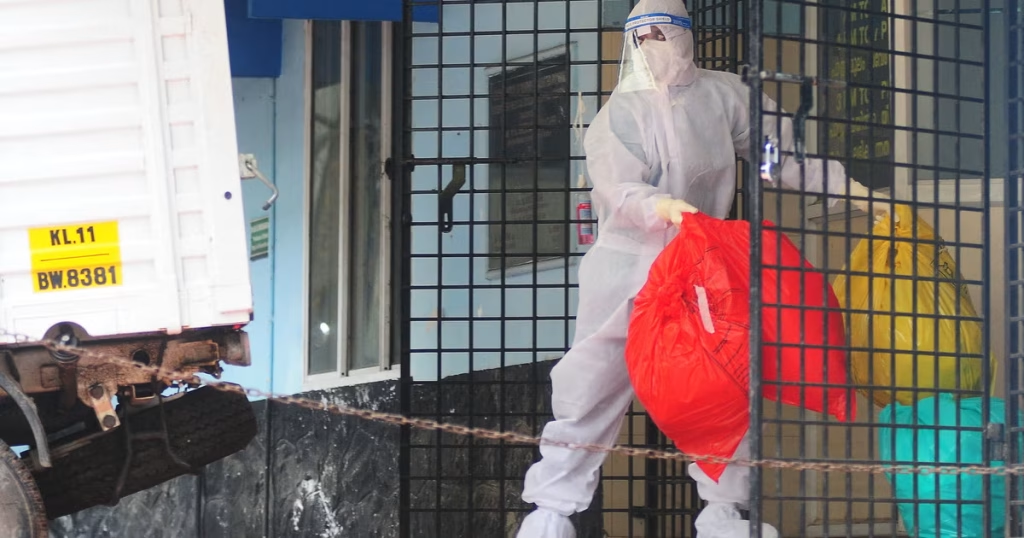
Health experts recommend the following steps to reduce the risk of infection:
- Avoid animal exposure: Stay away from fruit bats, bat roosting areas, and sick pigs.
- Practice food safety: Do not consume raw or partially fermented date palm sap. Wash and peel fruits thoroughly, and discard fruits that show signs of bat bites or have fallen on the ground.
- Maintain good hygiene: Wash hands regularly with soap and water or use alcohol-based hand sanitizers containing at least 60% alcohol.
- Reduce person-to-person spread: Avoid close, unprotected contact with infected individuals. Wear protective clothing and gloves when caring for sick people or handling animals.
- Handle animal products safely: Use protective equipment when slaughtering or dealing with sick animals.
What India And Neighbouring Countries Are Saying
India’s health ministry said it has identified 196 people who came into contact with the infected individuals. All have been tested and placed under observation, with none showing symptoms or testing positive so far. Authorities have intensified surveillance, laboratory testing, and field investigations.
Neighbouring countries including Thailand, Nepal, Singapore, Malaysia, Hong Kong, and Taiwan have increased precautionary measures. Thailand has started screening passengers at major airports and tightened monitoring at tourist sites. Nepal has introduced checks at airports and land borders. Taiwan has proposed classifying Nipah as a “Category 5 disease,” which would require immediate reporting and special control measures.
Indian officials said the situation remains under close monitoring and emphasized that all necessary public health measures are in place. No cases have been reported outside India to date, but regional vigilance remains high.
Discover more from LN247
Subscribe to get the latest posts sent to your email.

