
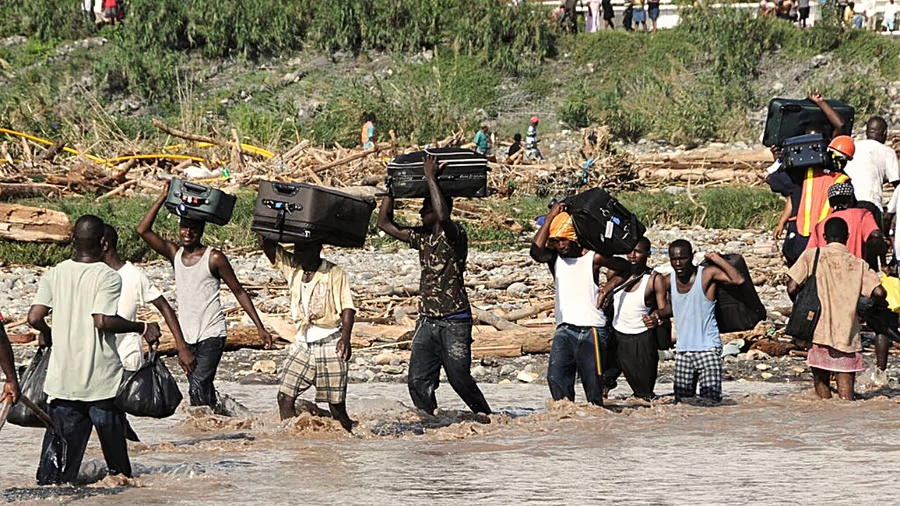
Dozens of people have died and tens of thousands have been affected after torrential rains caused severe flooding in Angola, the BBC reports. The disaster, which began over the weekend, has overwhelmed rivers and drainage systems in multiple provinces, submerging homes, cutting off roads and disrupting infrastructure across the country.
According to emergency services and civil protection authorities, at least 29 people have been confirmed dead in the capital province of Luanda and the coastal province of Benguela, where the downpours were most intense. In Luanda alone, six people lost their lives and one was reported missing, while Benguela accounted for the majority of fatalities, with 23 deaths recorded. Local broadcaster Radio Solidária later reported additional fatalities in Cuanza‑Sul province, raising the toll further.
More than 34,000 people are estimated to have been affected by the flooding, with thousands forced from their homes after waters surged through residential areas. Floodwaters damaged roads and key infrastructure, including bridges, and caused trees and utility poles to fall, hampering early rescue and relief operations. In one incident, a bridge pillar over the Hâlo River collapsed, disrupting traffic between Benguela and Huambo provinces.
President João Lourenço has expressed his condolences to affected families, describing the situation as a “race against the clock” to find survivors, evacuate residents, and provide medical care to the injured. State agencies, including the Civil Protection and Fire Service, are coordinating search and rescue missions and distributing emergency aid, including food and clean water, to flood‑hit communities.
Flooding of this scale is common during Angola’s rainy season, which typically runs from October to May. However, authorities and weather experts say that unusually heavy rainfall in recent years, influenced by broader climate trends, has increased the frequency and intensity of such events, placing greater strain on river basins and urban drainage systems.
The disaster echoes past years in which severe storms have led to widespread disruption and loss of life in Angola and other parts of southern Africa, underscoring the region’s vulnerability to extreme weather events during peak rainfall periods.
Discover more from LN247
Subscribe to get the latest posts sent to your email.

