
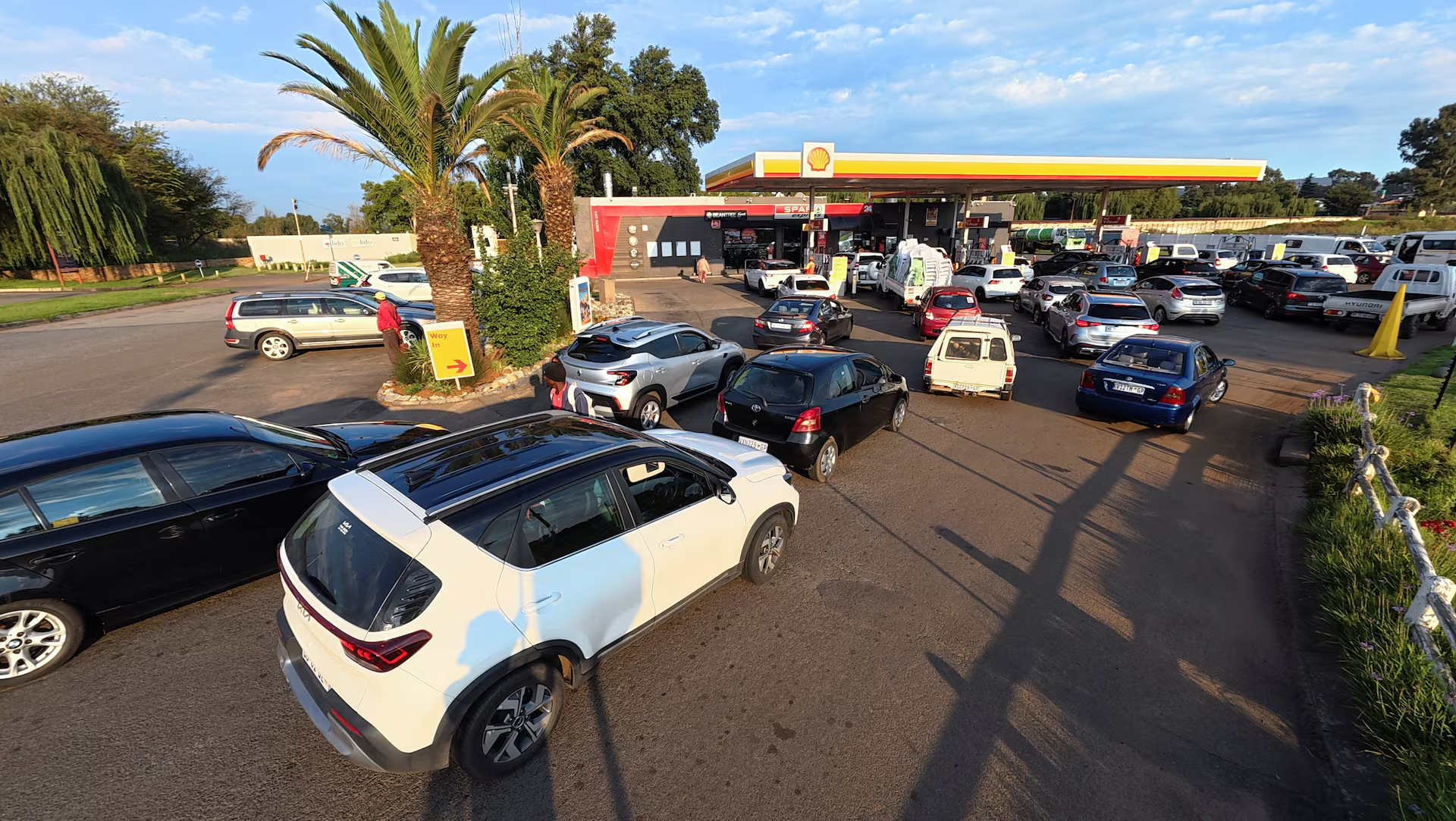
Fuel prices are rising sharply across several African countries following disruptions to global oil supply linked to tensions and conflict affecting major oil shipping routes. The increases are already affecting transport costs, food prices and inflation across many African economies that rely heavily on imported fuel.
Prices Rise Across Multiple Countries
Several African countries including Ghana, Tanzania, Malawi and Mauritania have announced significant increases in petrol and diesel prices in recent weeks. Fuel import costs have risen due to higher global crude oil prices, shipping disruptions and currency weakness in many African countries, making fuel imports more expensive.
Many African economies depend on imported refined fuel, meaning global price shocks are quickly felt locally. As a result, transport operators, logistics companies and electricity producers are already increasing prices to cover higher fuel costs.
Impact on Food and Transportation
The fuel price increases are expected to have a major impact on food prices across the continent. In many African countries, food is transported over long distances by road, meaning higher diesel prices directly increase the cost of moving goods from farms to cities.
Transport fares are already rising in some major cities across Africa, and economists warn that inflation could increase further in the coming months as businesses pass fuel costs on to consumers. This could worsen the cost-of-living crisis in several countries where inflation is already high.
Government Measures and Subsidies
Some governments are introducing emergency measures to reduce the impact of the fuel price increases. These include reducing fuel taxes, reintroducing subsidies, controlling transport fares and providing financial support to public transport operators.
However, many governments are also facing budget pressures and may struggle to maintain fuel subsidies for long periods, especially as many African countries are already dealing with high debt and currency problems.
Economic Concerns Across the Continent
Economists warn that rising fuel prices could slow economic growth across Africa because transportation, manufacturing, agriculture and electricity production all depend heavily on fuel. Higher fuel costs increase the cost of doing business and reduce consumer spending power.
There are also concerns that continued global oil supply disruptions could keep fuel prices high for several months, meaning African countries may continue to face inflation, higher transport costs and economic pressure throughout the year.
The surge in fuel prices across Africa highlights how vulnerable many African economies remain to global oil market disruptions. Unless global oil prices stabilise or local refining capacity increases across the continent, many African countries may continue to face rising fuel costs, inflation and economic pressure in the months ahead.
Discover more from LN247
Subscribe to get the latest posts sent to your email.

