

Thanksgiving, widely observed across the United States, Canada, and a few other countries, is traditionally a moment dedicated to gathering with loved ones, sharing meals, to acknowledge the harvest and reflect on the blessings of the year.
Although rooted in North American history, the essence of Thanksgiving has become universal. Many Nigerians, both at home and in the diaspora, embrace similar practices that centre on appreciation, connection, and community.
Globally, Thanksgiving is recognized on varying dates in October and November, depending on the country. To this day, many nations celebrate their own versions of harvest festivals during the autumn season.
How Thanksgiving came to be
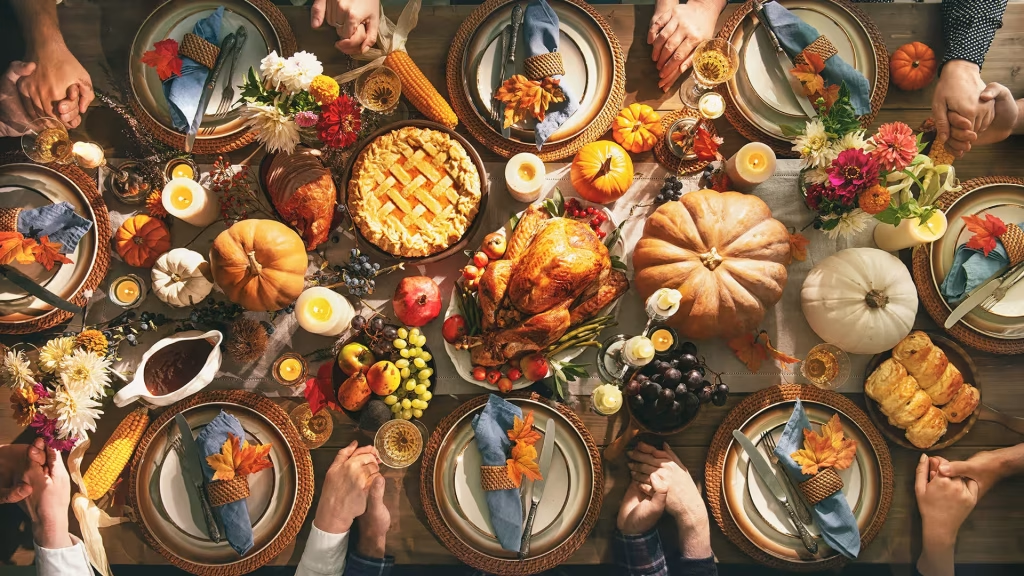
Thanksgiving, as celebrated in the United States and Canada, traces back to early settlers who held feasts to express gratitude for the harvest season. In the United States, it falls on the fourth Thursday of November, which this year is November 28.
Canada observes it earlier on the second Monday of October because its harvest season ends sooner due to the northern climate.
One of the most cherished traditions is the moment where each person at the table shares what they are thankful for.
This simple ritual captures the heart of Thanksgiving: pausing to acknowledge the good in one’s life, family, health, friendships, provisions, and even small everyday blessings. It is a collective act of reflection and appreciation.
Thanksgiving Traditions
The Feast
A shared meal lies at the centre of Thanksgiving across different cultures. Diaspora families and community groups combine North American Thanksgiving staples (turkey, stuffing) with Nigerian favourites (jollof rice, pounded yam, soups, grilled meat). This culinary blending helps preserve Nigerian identity while joining local holiday rituals.
Giving Back
Thanksgiving is also known as a season of generosity. Nigerians also embrace the spirit of generosity associated with the season.
In North America, many people volunteer at shelters or donate food baskets, and Nigerian communities participate actively in these traditions.
Some take it even further by holding their own acts of giving church-led donations, visits to orphanages back home, contributions to community funds, or sending financial support to relatives. These practices reinforce the belief that gratitude must be expressed through kindness.
A Holiday with Complexity
Despite the joyful spirit, Thanksgiving also carries a more complicated history. For many Native Americans, the holiday symbolizes colonization, displacement, and cultural loss.
At the same time, Nigerians in the diaspora are increasingly aware of the complex history behind Thanksgiving, especially its impact on Indigenous communities. This awareness deepens conversations about gratitude, privilege, and community support, echoing similar discussions in Nigeria around inequality and social responsibility.
Discover more from LN247
Subscribe to get the latest posts sent to your email.

