
The conflict between the United States and Iran entered its 94th day on Monday with fresh military exchanges after American forces launched strikes on Iranian drone command facilities in southern Iran, marking another test of the fragile ceasefire that has largely held since April.
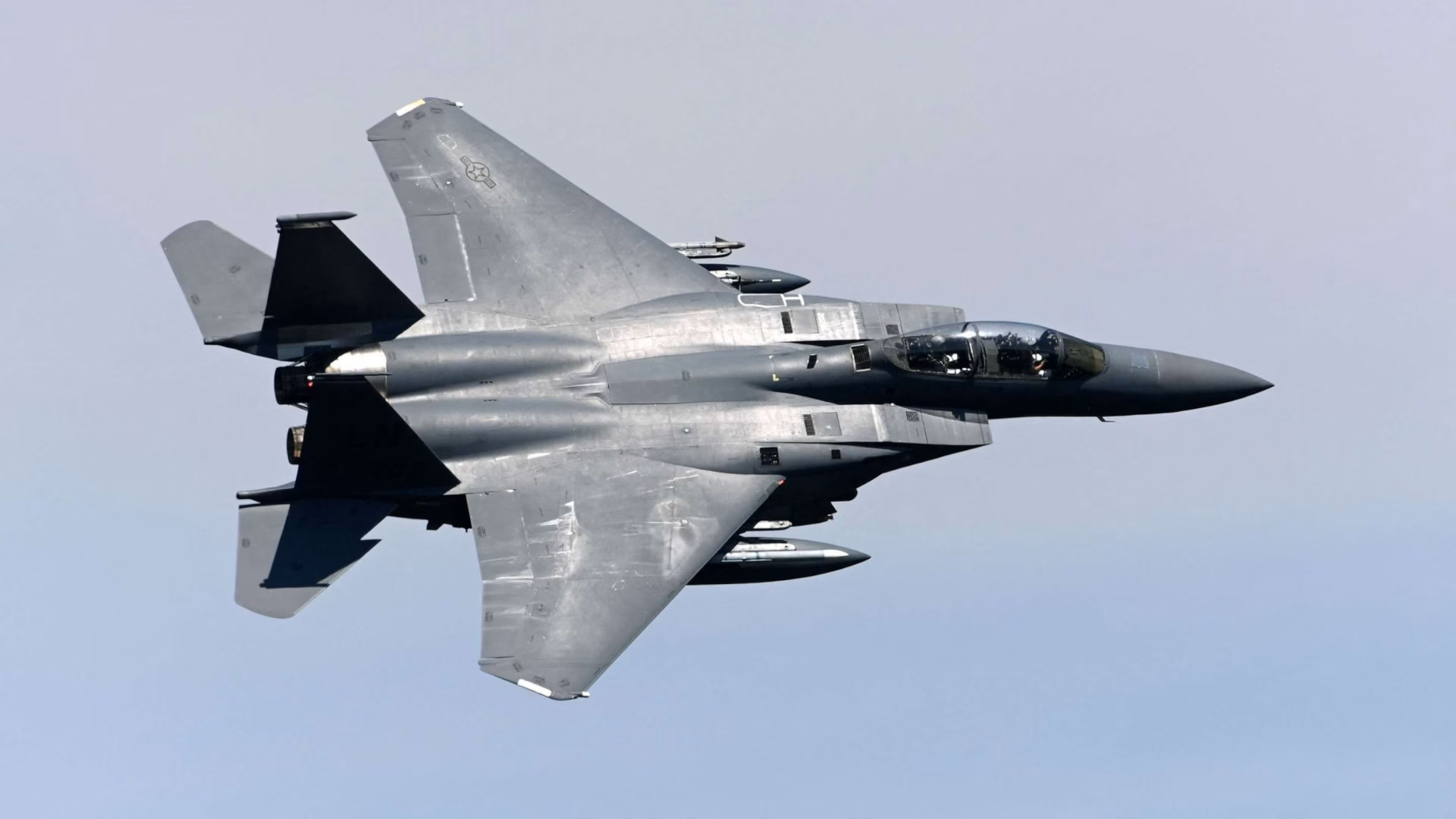
According to the United States Central Command (CENTCOM), American warplanes carried out what officials described as “self-defense strikes” on Iranian radar and drone command-and-control sites located in Goruk and on Qeshm Island near the Strait of Hormuz. The military said the operation took place over the weekend in response to what it called aggressive Iranian actions, including the reported shootdown of a US MQ-1 surveillance drone operating over international waters.
CENTCOM stated that US fighter aircraft also destroyed Iranian air-defense systems, a ground control station and two one-way attack drones that American officials said posed threats to commercial and military shipping in the region. No US personnel were reported injured during the operation.
The latest strikes represent the newest escalation in a conflict that began on February 28, when US and Israeli forces launched large-scale attacks on Iranian military targets, triggering a wider regional confrontation. Since then, the war has involved missile exchanges, drone attacks, naval incidents and repeated threats to shipping through the Strait of Hormuz, one of the world’s most strategically important energy corridors.
Iran has condemned the latest American action, arguing that it violates ongoing ceasefire arrangements. Iranian military officials warned that further attacks on Iranian territory would be met with retaliation. Tehran has repeatedly accused Washington of undermining diplomatic efforts aimed at reaching a permanent settlement to the conflict.
The exchange comes at a sensitive moment, as negotiators from both countries continue indirect talks focused on extending the ceasefire, reducing tensions in the Gulf and addressing disputes over Iran’s missile and nuclear programs. Despite recent optimism from both sides, repeated military incidents have exposed the fragility of the negotiations.
Security concerns remain particularly high around the Strait of Hormuz, where US forces have increased patrols and escorts for commercial vessels amid fears of further drone and missile attacks. The waterway handles a significant portion of global oil exports, making any disruption a major concern for international energy markets.
Recent satellite imagery and intelligence assessments have also indicated that Iran has been rebuilding parts of its underground missile infrastructure damaged during earlier phases of the war. Analysts say the reconstruction effort suggests Tehran is seeking to preserve its long-term military capabilities despite months of airstrikes and economic pressure.
Military analysts warn that while both Washington and Tehran continue to publicly support negotiations, the repeated cycle of strikes and retaliatory actions risks pushing the conflict into a new phase. The latest US operation against Iranian drone facilities underscores how quickly tensions can flare despite ongoing diplomatic contacts.
With the war now entering its fourth month, regional governments and international observers remain concerned that any major miscalculation could trigger a broader Middle East confrontation, particularly around the Gulf and the Strait of Hormuz.
Discover more from LN247
Subscribe to get the latest posts sent to your email.

