

An upcoming Nigerian singer and vocalist, Ifunanya, popularly known as Nanyah Music, has reportedly died following a snake bite at her residence. News of her death, which emerged on social media in the early hours of Sunday, triggered widespread grief among fans and colleagues in the entertainment industry.
According to reports circulating online, the young artiste was bitten by a snake at home and rushed to a hospital for urgent medical care. As of the time of reporting, key details surrounding the incident remain unclear, with no official statement from her family or authorities.
Efforts to reach close associates for confirmation were unsuccessful. Nanyah Music was widely regarded as a talented and promising voice in Nigeria’s music scene, making the sudden loss even more devastating to many.
The World Health Organization (WHO) estimates that snakebite envenoming causes up to 138,000 deaths and 400,000 permanent disabilities globally each year, accounting for nearly half of the burden of neglected tropical diseases. Recognising its severity, WHO classified snakebite as a priority neglected tropical disease in 2017 and set a global goal in 2019 to halve deaths and disabilities by 2030.
Nigeria remains one of the hardest-hit countries due to systemic healthcare challenges. A recent survey of Nigerian healthcare workers revealed that 98% experience difficulties administering antivenom, citing delayed hospital presentation, poor infrastructure, and limited clinical training as major contributors to avoidable deaths.
FMC Abuja Clarifies What Happened

The Federal Medical Centre (FMC), Abuja, has dismissed claims circulating on social media that anti-snake venom was unavailable during the treatment of the late Ms. Ifunanya Lucy Nwagene.
In a statement released on Sunday, the hospital clarified that she died from severe neurotoxic complications resulting from the snake bite she sustained on January 31, 2026.
Expressing condolences to the family, FMC described the loss as tragic and painful, stating that all necessary medical interventions were promptly provided.
According to the statement signed by the Head of Clinical Services, Dr. Bioku Muftau, emergency care included resuscitation, intravenous fluids, intranasal oxygen, and the administration of polyvalent anti-snake venom.
“Our medical staff provided immediate and appropriate treatment upon her arrival. Anti-snake venom was administered, and all standard emergency protocols were followed,” the statement said.
The hospital added that although plans were made to transfer her to the Intensive Care Unit, her condition deteriorated rapidly before the transfer could occur.
“Despite intensive resuscitation efforts, including cardiopulmonary resuscitation (CPR), the medical team was unable to revive her.”
FMC firmly rejected allegations of negligence or lack of antivenom, urging the public to rely on verified information rather than unconfirmed social media narratives.
Types Of Snakes And How Venom Affects The Body
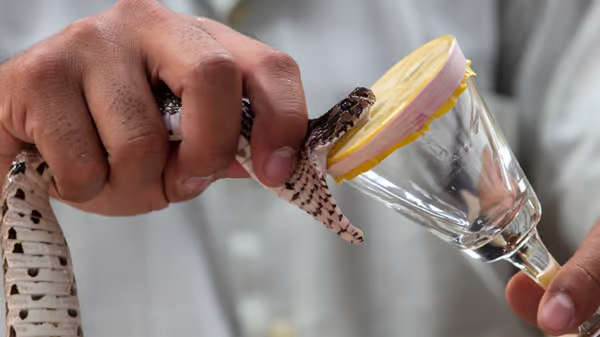
Snakes can be venomous or nonvenomous, with venom used for hunting and self-defence. Different venom types affect the human body in specific ways:
Cytotoxins: Cause swelling and tissue damage
Haemorrhagins: Damage blood vessels
Anti-clotting agents: Prevent blood from clotting
Neurotoxins: Affect the nervous system and can cause paralysis
Myotoxins: Break down muscle tissue
Major venomous snake families include:
Elapids (cobra family): Cobras, mambas, kraits, coral snakes; venom is primarily neurotoxic
Vipers: Rattlesnakes, copperheads, and similar species with long, hinged fangs
Because identifying a snake after a bite is often difficult, all snake bites should be treated as medical emergencies.
Immediate Steps To Take After A Snake Bite

- Keep the victim calm and still
- Sit or lie down with the bitten limb in a neutral, comfortable position
- Remove tight items such as rings, watches, or shoes before swelling begins
- Clean the bite gently with soap and water
- Do not cut, suck, or apply a tourniquet
- Do not attempt to catch the snake; if safe, note its colour and shape or take a photo from a distance
- Go to the nearest hospital immediately for antivenom treatment
How Snake Bites Are Treated: Urban vs Rural Realities

Urban Areas: In cities, victims are more likely to access hospitals equipped with antivenom, oxygen support, and intensive care units. However, delays still occur due to traffic congestion, cost concerns, or fear of hospital bills.
Rural Areas: In many rural communities, limited access to hospitals and antivenom leads people to rely on traditional remedies. These may include herbs or leaves such as ewe akoko, dogonyaro (neem), bitter leaf, or herbal pastes believed to “draw out” venom. Some practices also involve making incisions around the bite site.
Medical experts warn that these methods are not scientifically proven and can worsen outcomes by increasing infection risk, bleeding, or delaying life-saving antivenom. While traditional practices are culturally significant, global health authorities strongly advise immediate medical treatment.
@DaSTReet5: “I can’t stand the thought of a snake slithering into my apartment… Back in the old days, every home kept antidotes for snakes and scorpions handy.
@Honey4rmDErock: “It is not an ordinary snake… protect your life and your family… escape their wicked activities.”
@Odelora: “So heartbreaking. Gone too soon. Rest in peace, Ifunanya (Nanyah_music). Prayers for her family, friends, and everyone who loved her music.”
Across Instagram and Facebook, neighbours and fans shared condolence messages, describing her death as shocking and deeply painful.
The reported death of Nanyah Music has reignited urgent conversations about emergency healthcare access, public awareness, and the dangers of delayed snakebite treatment in Nigeria. As tributes continue to pour in, her passing highlights the critical need for stronger healthcare systems, wider access to antivenom, and sustained public education so that preventable losses like this become increasingly rare.
Discover more from LN247
Subscribe to get the latest posts sent to your email.

