
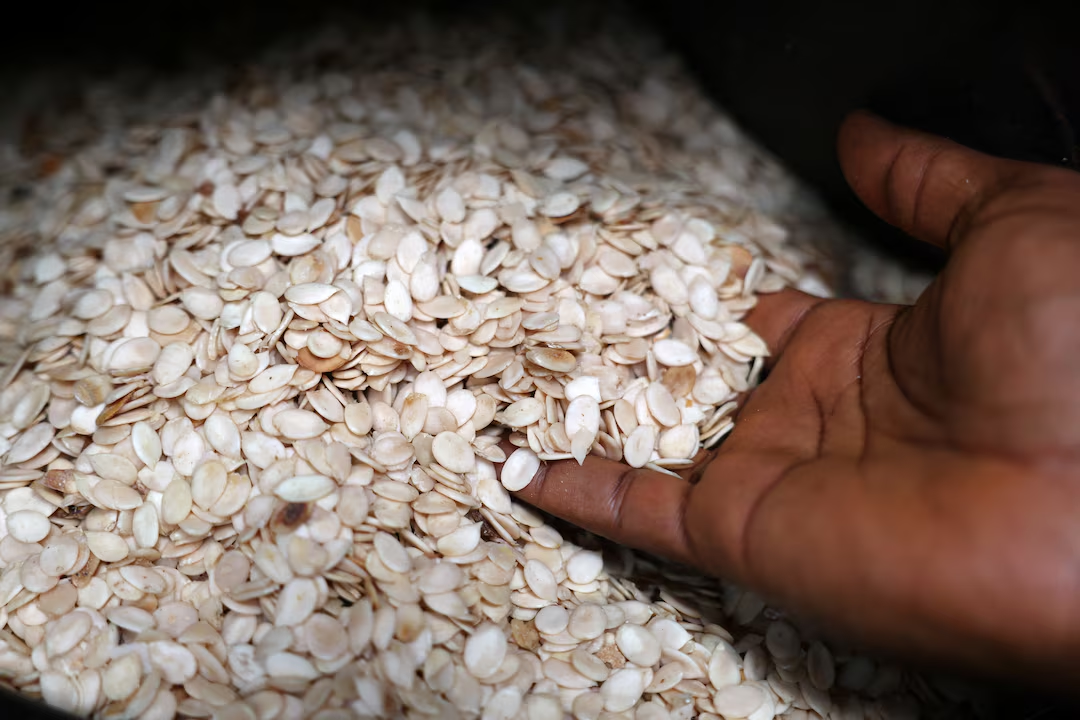
Egusi melon seeds, a staple ingredient in Nigeria’s beloved egusi soup, have made history after being sent to the International Space Station (ISS) for scientific research. The experiment is part of a project studying how food crops react to space conditions, with the long-term goal of ensuring astronauts have access to nutritious, culturally diverse meals during missions to the Moon, Mars, and beyond.
The seeds spent seven days orbiting Earth in the Crew-11 capsule launched from NASA’s Kennedy Space Centre on August 1. They were carefully packed in test tubes alongside heritage seeds from Costa Rica, Armenia, and Guatemala.
Nigerian space scientist Temidayo Oniosun, who handpicked the egusi seeds from markets in Oyo State, explained that the mission is about more than nutrition: “The goal is that in the next couple of decades, when people are living on the Moon, on Mars and they’re looking at growing food… foods that are native to Africa would be part of that.”

Egusi is valued not only for its cultural significance but also for its high protein content, making it a strong candidate for space farming. Florida-based scientist Wagner Vendrame, one of the researchers on the project, highlighted the importance of moving beyond the processed dried meals astronauts rely on today.

The seeds are now being distributed to laboratories for propagation and testing. Scientists aim to determine whether exposure to space altered their genetic makeup or nutritional quality.
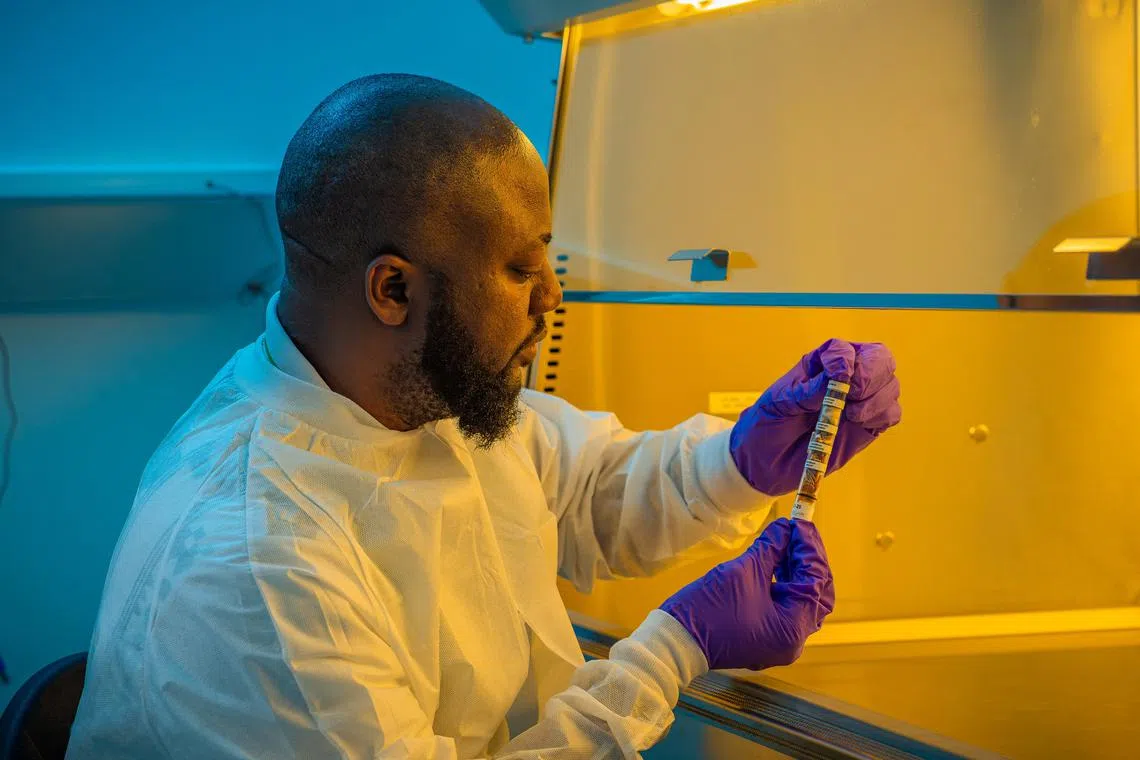
“By looking at the changes in the plants and the seeds themselves, we can tell—are those plants still the same? Would they still provide the same level of nutrition to astronauts?” Vendrame said.
If successful, the experiment could pave the way for traditional African foods to be cultivated in extraterrestrial environments, ensuring both diversity and sustainability in future space diets.
Discover more from LN247
Subscribe to get the latest posts sent to your email.


Comments are closed.