
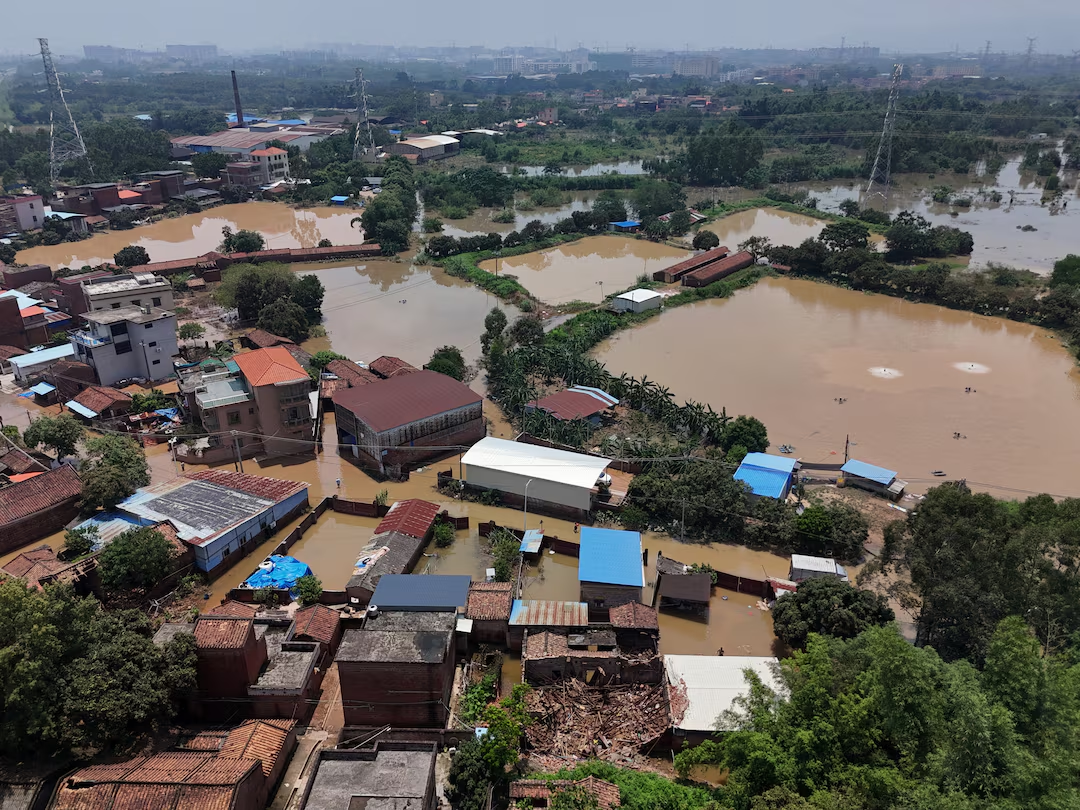
Residents of Pingtou village in southern China are reeling after experiencing the worst flooding in living memory, saying they had no warning before the water swept through their homes.
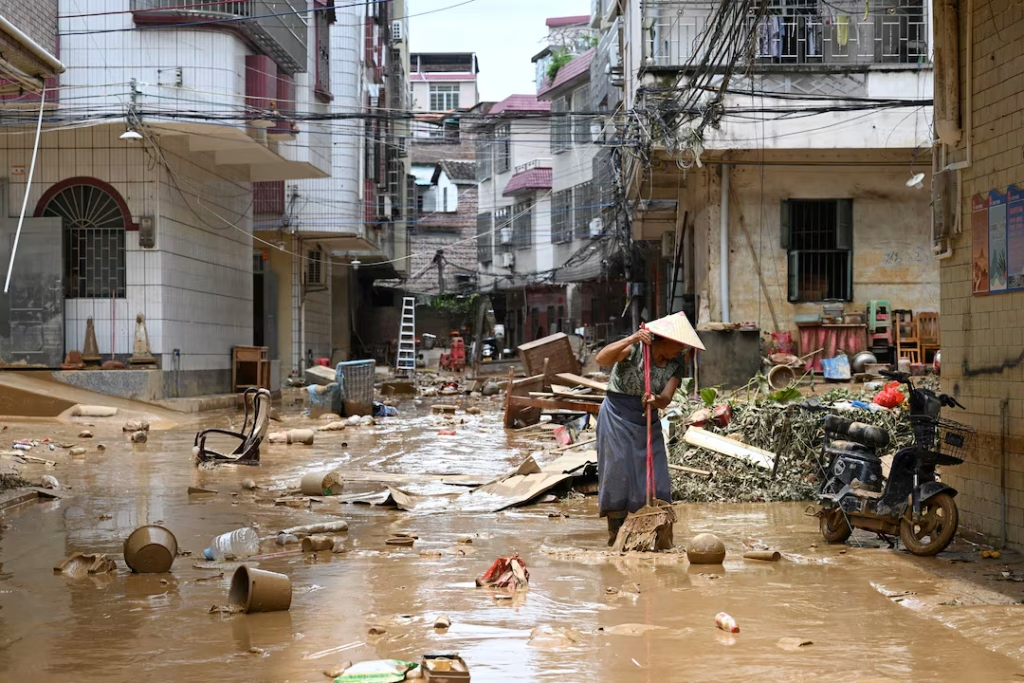
Located in Guangdong province, Pingtou has endured many typhoons and storms in the past, but nothing as destructive as this week’s disaster. On Friday, murky water still flooded the village’s main road, while residents dragged out waterlogged furniture and appliances. At least four houses collapsed during the storm.
“The older folks here say that in the 100 years we’ve been here, they’ve never experienced such flooding,” said Mr. Zhong, a villager in his 50s. His two-storey house had never been flooded before, but this time, the water surged in and damaged most of his belongings. Water stains on nearby homes showed flooding over one metre high.
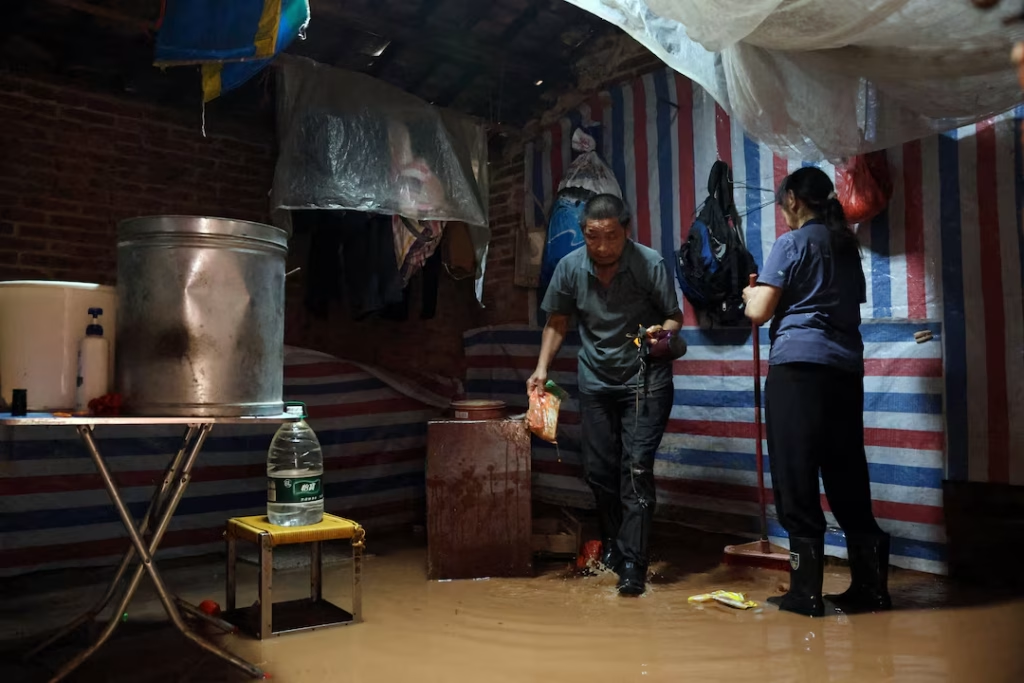
It remained unclear if any lives were lost in the village.
In nearby Guangzhou, the capital of Guangdong province, a record-breaking 622.6 mm (24.5 inches) of rain fell between August 2 and 6 — nearly three times the city’s typical August rainfall. At least seven deaths have been confirmed due to flooding in the area.
While heavy rainfall has affected both northern and southern China this season, with heatwaves gripping central regions, the central government has released 430 million yuan ($59.9 million) in new disaster aid, bringing total funding since April to over 5.8 billion yuan.
Despite the national response, villagers in Pingtou say they’ve received little help on the ground. Mr. Zhong said local officials told him that no relief aid was available. “There was not even a bottle of mineral water provided to us,” he said.
Although about 75,000 people were evacuated across Guangdong as a precaution, several Pingtou villagers said they were given no advance alert about flooding, leaving them unprepared.
On the night of the heaviest rain, 73-year-old Zhang was woken up by her daughter-in-law and rushed to her son’s two-storey home. The next morning, she found the roof of her own house had collapsed. “I’d been living in that house for more than 50 years,” Zhang said as she looked at her belongings covered in mud and debris.
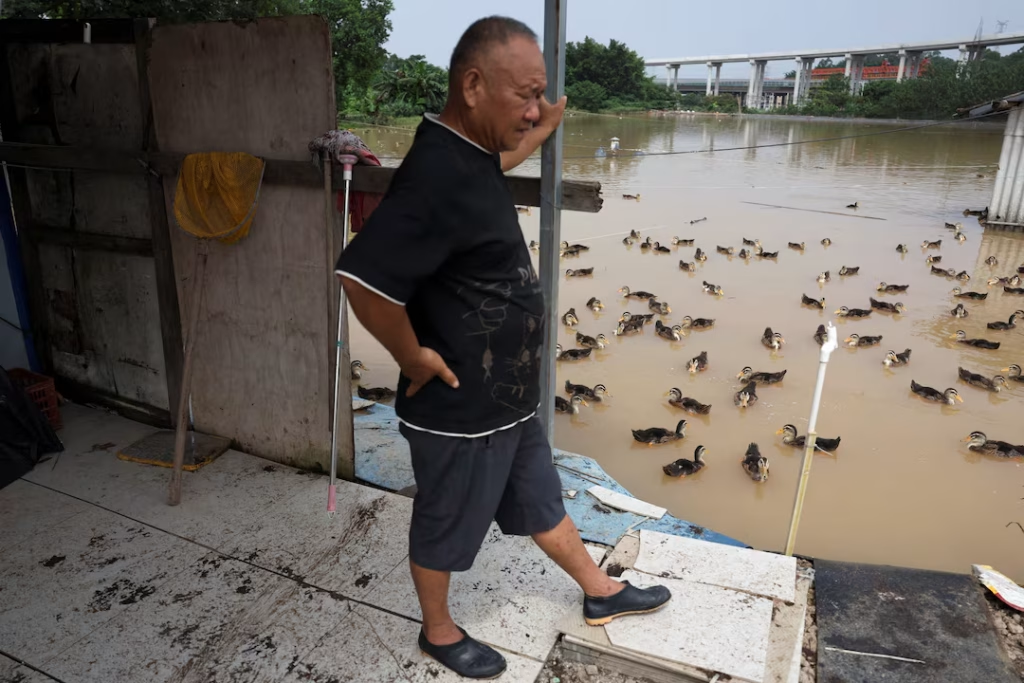
Just outside the village, a fish and duck farmer, Hu Songlin, said the flooding washed away the fish in his ponds, leading to losses he estimated at 120,000 yuan. “Now we won’t be able to earn a single cent,” his wife Hua added.
Experts have connected China’s increasingly erratic weather patterns — from droughts to heavy rains — to the effects of climate change.
“We say that global warming can lead to heavier rainfall, but there’s only so much water,” explained Johnny Chan, a professor at the School of Energy and Environment at the City University of Hong Kong. “So if one area has more rain, another area will have less rain. So what we’re seeing is that there will be places which are becoming wetter and there will be places which will become much drier.”
Discover more from LN247
Subscribe to get the latest posts sent to your email.


Comments are closed.