
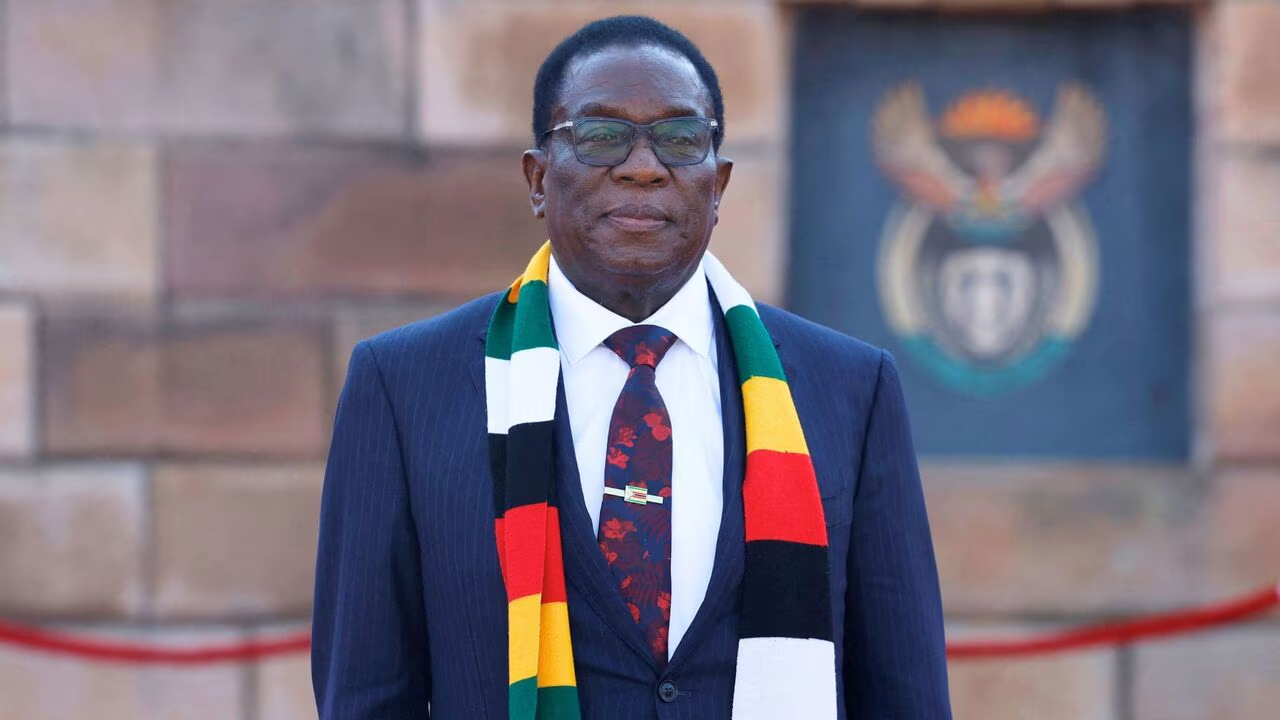
Zimbabwe’s government has introduced a constitutional amendment bill that could allow President Emmerson Mnangagwa to remain in office until 2030, two years beyond the end of his current term.
The bill was presented to Parliament on Tuesday by Justice Minister Ziyambi Ziyambi and is expected to undergo further debate in the coming days. If approved, the proposed legislation would extend presidential terms from five years to seven years and postpone the next presidential election, currently scheduled for 2028.
Mnangagwa, 83, is currently serving his second term and is due to leave office in 2028 under Zimbabwe’s existing constitutional framework. Supporters of the amendment argue that the changes would align electoral cycles and improve governance, while critics say the move could undermine democratic principles and weaken constitutional term limits.
The proposed reforms would also change the method of electing the president, replacing the current direct popular vote with a parliamentary selection process. The bill further seeks to extend the terms of members of parliament, mayors and local councillors from five years to seven years.
The ruling party, ZANU-PF, holds a two-thirds majority in Parliament, giving it enough support to push constitutional amendments through the legislature. The party has governed Zimbabwe since the country’s independence in 1980.
The proposal has faced opposition from civil society groups, war veterans and opposition politicians, some of whom have challenged the amendment in court. Critics argue that such significant constitutional changes should be subjected to a national referendum. Zimbabwe’s Constitutional Court is reviewing legal challenges related to the bill.
Mnangagwa has been Zimbabwe’s president since 2017, when he took power following the removal of former president Robert Mugabe.
Discover more from LN247
Subscribe to get the latest posts sent to your email.

