
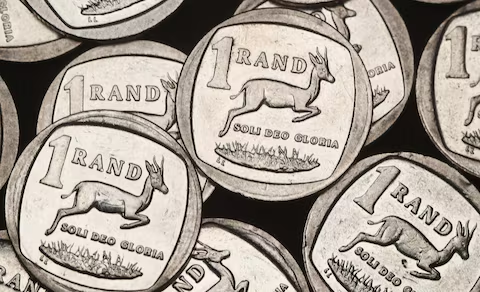
The South African rand remained largely unchanged against the U.S. dollar on Thursday as investors evaluated a new U.S. tariff proposal tied to forced labour concerns while also monitoring developments in the Middle East.
The currency traded at 16.3225 rand per dollar in early trading, remaining close to its previous closing level as market participants weighed the potential impact of Washington’s latest trade measures.
South Africa’s Trade Ministry responded after the United States proposed tariffs on imports from around 60 countries, including South Africa, citing concerns related to forced labour. The ministry maintained that the country complies with both domestic and international labour obligations.
Analysts noted that while the proposed 12.5% tariff would be a negative development for South Africa, it is significantly lower than the previously threatened 30% tariff announced earlier this year, offering some relief to investors.
The proposal follows a Section 301 investigation into alleged unfair trade practices as the Trump administration seeks alternative measures after emergency tariffs were struck down by the U.S. Supreme Court in February.
With limited domestic economic data driving markets, the rand continued to take direction from global developments. Investors also kept a close watch on the Middle East after Israel and Lebanon agreed to a ceasefire, raising hopes for a broader diplomatic breakthrough involving Iran and reducing fears of prolonged disruptions to global energy supplies.
Meanwhile, the U.S. House of Representatives approved a resolution aimed at preventing President Donald Trump from continuing military operations against Iran. The move reflects growing concern among lawmakers about the conflict, which has now lasted for several months.
On South Africa’s stock market, the Johannesburg Stock Exchange’s Top-40 index traded flat in early dealings, while the country’s benchmark 2035 government bond weakened slightly, pushing its yield up to 8.525%.
Market analysts say investor sentiment will likely remain sensitive to both international trade developments and geopolitical events as uncertainty continues to influence global financial markets.
Discover more from LN247
Subscribe to get the latest posts sent to your email.

