The Federal Government has granted Colleges of Education the autonomy to independently run both National Certificate in Education (NCE) and degree programmes without university affiliation.
Education Minister, Dr. Marufu Olatunji Alausa, who was represented by the Minister of State for Education, Suwaiba Ahmad, announced the reform at the National Education Summit in Abuja, citing the Federal Colleges of Education (Establishment) Act No. 43 of 2023 as the legal backing for the policy.
Executive Secretary of the National Commission for Colleges of Education (NCCE), Prof. Paulinus Chijioke Okwelle, described the move as historic, noting that the dual mandate will revitalise teacher education, expand access for student-teachers, and enable institutions to produce graduates with both NCE and B.Ed qualifications. The reform marks a departure from decades of reliance on universities for degree awards, giving colleges legislative authority to leverage their manpower, infrastructure, and expertise in teacher training.
The Joint Admissions and Matriculation Board (JAMB) has announced the reopening of its portal for candidates to upload their 2025 WASSCE results.
This comes just days after the board temporarily shut down the platform to address technical glitches that affected candidates who had earlier uploaded their results.
In a statement, JAMB also advised candidates to make use of its accredited facilities to complete the process.
“Dear UTME candidates, this is to notify you that the upload of the 2025 WAEC result has been reactivated. Kindly visit any of our accredited facilities near you to access the service. Thank you.”
The development is expected to bring relief to many candidates who had expressed concerns over the temporary suspension, especially those preparing for admission into various tertiary institutions.
The United States has signed separate deportation agreements with Honduras and Uganda as part of President Donald Trump’s wider effort to toughen immigration rules, according to documents obtained by CBS and shared by the BBC.
Under the arrangement, Uganda will accept an unspecified number of African and Asian migrants who had sought asylum at the US-Mexico border, provided they have no criminal record. Honduras, meanwhile, will receive several hundred deported migrants from Spanish-speaking countries over a two-year period, with the possibility of taking in more later, CBS reported.
The Trump administration has been seeking similar agreements with countries across different regions, including those facing criticism over human rights practices. Human rights advocates argue the policy puts deported migrants at risk, as they could end up in countries where they might face persecution or further displacement.
The US has already secured at least a dozen such arrangements. Last week, Washington signed a “safe third country” deal with Paraguay to help share the responsibility of managing irregular migration. Rwanda also confirmed earlier this month that it would take up to 250 migrants from the US, but said it would have “the ability to approve each individual proposed for resettlement.”
Other countries, including Panama and Costa Rica, had earlier agreed to host several hundred African and Asian migrants under similar deals. Government documents suggest that the administration has also approached Ecuador and Spain for possible cooperation.
Since starting his second term, President Trump has prioritized mass deportations of undocumented migrants, a central pledge of his campaign. In June, the US Supreme Court allowed the government to move forward with deporting people to countries that are not their homeland, without requiring an assessment of the dangers they might face there.
Three liberal justices — Sonia Sotomayor, Elena Kagan, and Ketanji Brown Jackson — dissented from the ruling, calling it “a gross abuse.” United Nations rights officials and international human rights groups have also warned that deporting people to third countries could breach international law.
Uganda’s 2026 presidential campaign officially begins, as both ruling and opposition forces make bold moves toward next January’s vote
On August 19, 2025, the ruling National Resistance Movement (NRM) officially backed President Yoweri Kaguta Museveni as its candidate. Senior party figures, including Al‑Hajj Moses Kigongo and Richard Todwong, unveiled his campaign portrait—signaling the formal start of his re-election bid.
Just a day earlier, on August 18, leading opposition parties joined the race. The National Unity Platform (NUP) and Democratic Party (DP) rallied around David Lewis Rubongoya and Joel Ssenyonyi (NUP), along with DP leaders, to collect nomination forms from the Electoral Commission.
The NUP stunned observers with its campaign slogan: “New Uganda Now.” The party pledged democratic reform and vowed to guard against electoral tampering, citing past instances of raids and theft.
Commission figures show the race is crowded—by the previous evening, 177 candidates had already picked up nomination forms.
Museveni Launches Seventh-Term Campaign
Museveni, who has governed since 1986 and will be 81, accepted his candidacy with promises of continuity, stability, and development. His long tenure—extended through constitutional changes—continues to draw criticism from human rights groups.
Opposition Mobilizes Under ‘New Uganda Now’ Banner
Opposition voices responded forcefully. Rubongoya emphasized defending the integrity of the process: “We are coming back with new energy… We hope history does not repeat itself,” referring to past campaign interference. Joel Ssenyonyi demanded: “Security must step back and let people participate fully.”
Legal Pushback Against Repression: On August 13, NUP filed a petition aiming to nullify a law reinstating military courts for civilians, citing concerns over fairness and past suppression.
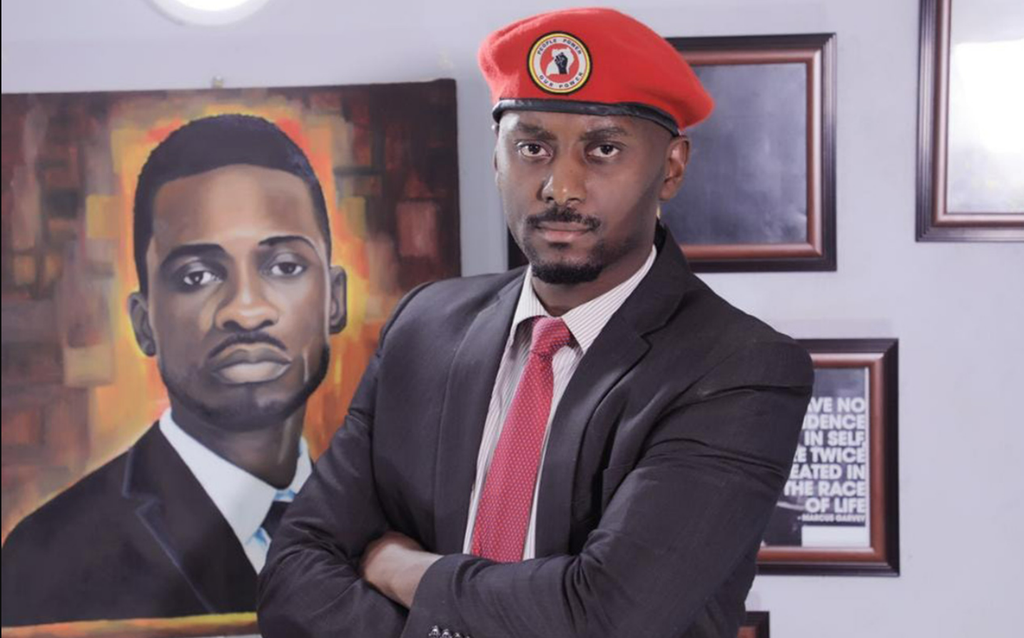
Bobi Wine Surges as Key Challenger: Opposition leader Bobi Wine, who garnered strong support in 2021, confirmed he plans to run again. He faces an increasingly perilous political environment, with reported threats to his life tied to Museveni’s son, army chief Muhoozi Kainerugaba.
Election Day Confirmed: The Electoral Commission has scheduled the general election for January 12, 2026, where Ugandans will also choose lawmakers under the two-round system.
The annual Isese Day celebration, observed every August 20, has once again stirred cultural pride across the South-Western states of Nigeria. With Lagos, Oyo, Osun, and Ogun officially declaring the day as a public holiday in 2025, the recognition continues to reinforce the significance of Yoruba heritage, spirituality, and identity.
What Isese Truly Means
The word Isese loosely translates to “our native ways” and refers broadly to the Yoruba traditional way of life. While many outsiders narrowly interpret it as a purely religious observance, cultural scholars argue that Isese extends far beyond ritual worship.
As culture enthusiast Oba Adeoye explained, “Isese is beyond religious or spiritual activities; it encapsulates much more and tells the whole story of the origin of a people, their history, their food, their language, their belief system, their practices on various fronts. You do not have to be a follower of an Orisa to observe your Isese.”
This understanding positions Isese not just as a festival but as a living memory of Yoruba culture; a mirror reflecting traditions that have shaped one of Africa’s largest and most influential ethnic groups.
Historical Roots and Religious Dimensions
Isese’s roots run deep into the spiritual practices of the Yoruba, whose religion emphasizes reverence to Olodumare (God) through intermediaries known as Orishas.
Unlike monotheistic religions, the Yoruba traditional religion recognizes dozens of Orishas, deities associated with nature, wisdom, fertility, and justice. Many of them were once legendary kings, queens, and warriors who became immortalized through worship.
Historically, Yoruba tradition was woven into every aspect of life, from governance, marriage, and trade to moral instruction. However, colonialism and the spread of Christianity and Islam pushed Isese practices to the margins, branding them as “pagan” or “backward.” The present revival of Isese Day is therefore seen as an act of cultural reclamation and identity assertion.
Controversies Around Isese
Despite its growing acceptance, Isese Day has not been without controversy. In some circles, the holiday is criticized by religious groups who perceive it as promoting idolatry. The debates often spark tensions between traditional worshippers and adherents of Abrahamic faiths in the South-West.
For example, attempts to formally recognize August 20 as a statewide holiday in certain states have faced pushback from those who argue that Nigeria, being a secular nation, should not institutionalize a traditional religious practice. Others counter that if Christian and Islamic public holidays are recognized nationwide, then the Yoruba indigenous faith deserves equal respect.
Still, beyond the religious debates, many Yoruba cultural advocates stress that Isese Day should be appreciated as a cultural, not exclusively spiritual, commemoration. They argue that it celebrates history, food, music, dance, and language; the very pillars of Yoruba identity.
How Isese Day Is Celebrated
The day is typically marked with prayers and rituals to the Orishas and ancestors, serving as a spiritual anchor for followers of Yoruba religion. But the celebrations extend far beyond shrines and sacred groves.
Cultural scholars and enthusiasts often organize lectures, debates, and exhibitions exploring Yoruba heritage. Music, dance, and art also play a central role, with performances such as Bata drumming, Apepe chants, and the famous Eyo masquerade displays showcasing the depth of Yoruba artistry.
Food, as always in Yoruba culture, remains central. Traditional delicacies such as Amala with Ewedu, Efo Riro, Pounded Yam, and assorted soups feature prominently, reminding participants of the inseparable link between cuisine and identity.
What Isese Day Means for the Yoruba People in Nigeria
The institutionalization of Isese Day in states like Lagos and Oyo symbolizes a larger movement: the reclaiming of indigenous identity in a rapidly globalizing world.
For many Yorubas, especially the younger generation exposed mainly to Western ideals, the celebration serves as a reminder that their traditions are not relics of the past but vibrant practices worth sustaining.
The Anambra State House of Assembly has directed Hon. Bernard Udemezue, the member representing Ayamelum Constituency under the Peoples Democratic Party (PDP), to appear before it over comments he made on social media.
The summons came after Udemezue posted online alleging that his constituency was being sidelined in the sharing of entitlements and allowances. His remarks quickly stirred controversy, with lawmakers insisting that such statements had the potential to mislead the public and damage the image of the Assembly.
During plenary in Awka on Monday, the Speaker, Somtochukwu Udeze, read the resolution of the House mandating Udemezue to explain the intention behind his posts. Udeze said the comments were not only misleading but also portrayed the Assembly in bad light, stressing that disciplinary steps were necessary to maintain order and protect the institution’s integrity.
Lawmakers argued that social media should not be used to malign the legislature, noting that any grievances ought to be raised and addressed within the chamber rather than taken to the public space. Some members described Udemezue’s action as an attempt to incite disaffection between the Assembly and the people of his constituency.
Following deliberations, the Assembly resolved that Udemezue must appear before the Committee on Ethics and Privileges to defend himself. The committee will investigate the matter and recommend appropriate action to the House.
The Speaker reiterated that the Assembly would not tolerate behavior capable of bringing it into disrepute, emphasizing that lawmakers are expected to uphold the dignity of their office both inside and outside the chamber.
A joint operation between the Akwa Ibom State Police Command, the Ghana Police Service, and INTERPOL has led to the rescue of 20 Ghanaian nationals from a compound in Uyo, Akwa Ibom State. The raid, carried out on Monday, targeted a fenced building in Obio Etoi, where the victims were found.
The rescued individuals consisted of 10 men and 10 women. Authorities revealed that the group appeared disoriented and unable to give clear information about their circumstances, raising suspicions that they might have been hypnotized or otherwise psychologically manipulated by their traffickers.
The rescue followed a formal request from Ghanaian security officials, which prompted Nigerian operatives to coordinate and move in swiftly. Police confirmed that the operation was executed around 4:17 p.m. on the day of the raid.
According to the state police spokesperson, the victims are currently under protective custody while investigations continue. The police assured that details of the case would be made public as soon as new findings emerge.
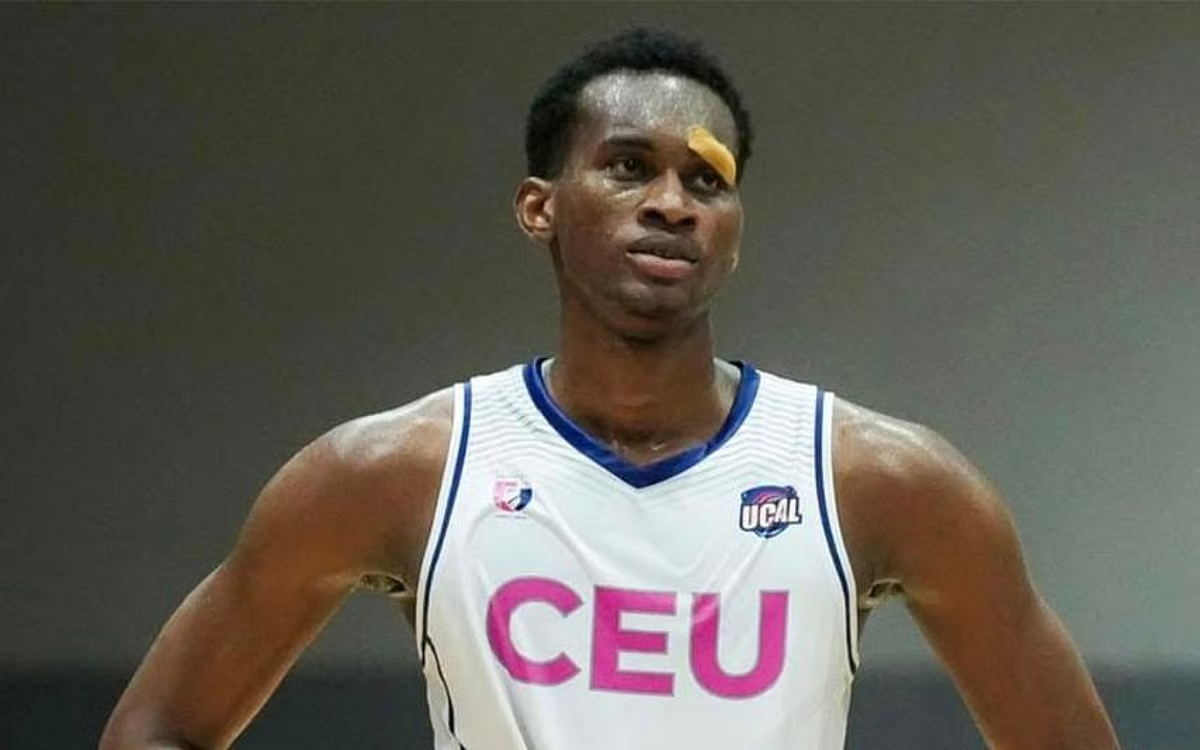
The University of the Philippines has been thrown into mourning following the sudden death of Nigerian student-athlete, Israel Osamudiame Friday, who collapsed during a basketball practice session.
The 19-year-old, standing 6 feet 10 inches tall and playing the center position, reportedly slumped on Tuesday, August 19, while training with the UP men’s basketball team. Efforts were immediately made to rush him to a nearby hospital, but despite medical intervention, he could not be revived.
In a statement released on Wednesday, the university expressed deep sorrow over the tragedy. School officials said the cause of death has yet to be determined, adding that they are in contact with Friday’s family to provide all possible support during the difficult period. The institution also appealed for privacy for the grieving family.
Friday, originally from Abuja, Nigeria, had only recently transferred to the University of the Philippines. He previously studied and played basketball at Centro Escolar University, where he was part of the CEU Scorpions competing in the Universities and Colleges Athletic League. His move to UP had been seen as a promising step in his career as a student-athlete.
The incident comes just two months after a similar tragedy shocked the Philippine basketball community. In June, 18-year-old Ashlyn Abong, a National University student-athlete and member of the Gilas Pilipinas Youth program, also collapsed and died during training. Friday’s death has now reignited concerns about the health and safety of young athletes in the country.
The university community, basketball teammates, and fellow students have been left devastated by the loss of the young Nigerian athlete, whose potential was widely recognized both on and off the court.
Liverpool forward Mohamed Salah has etched his name further into football history by being crowned the PFA Men’s Player of the Year for 2024/25. The Egyptian star became the first-ever player to win the award three times after a campaign that saw him score 29 goals and register 18 assists under new manager Arne Slot.
Salah’s performances were pivotal in Liverpool’s title-winning season, and his peers’ recognition adds to a glittering individual resume that already includes three Football Writers’ Association Footballer of the Year awards.
Caldentey Shines in the Women’s Game
Arsenal’s Mariona Caldentey was named PFA Women’s Player of the Year following a remarkable debut season in England. The Spanish international, who joined from Barcelona last summer, netted 19 goals across all competitions and played a decisive role in Arsenal’s Champions League triumph, scoring eight times on the European stage, including key strikes against her former club.
Rising Stars Recognised
The PFA also celebrated emerging talents. Aston Villa’s Morgan Rogers was awarded the Men’s Young Player of the Year after a breakthrough season that earned him an England debut. On the women’s side, Olivia Smith collected the Young Player of the Year award. The Canadian international, who recently completed a world-record transfer to Arsenal, impressed during her time at Liverpool to earn the accolade.
Lower League Heroes
Recognition extended across the English football pyramid. Burnley goalkeeper James Trafford made history as the first shot-stopper to win the Championship Player of the Year after leading his side to promotion. In League One, Wycombe Wanderers forward Richard Kone claimed the top honour, while Bromley striker Michael Cheek was named League Two Player of the Year.
Teams of the Year
The Premier League Team of the Year included stars such as Salah, Alexander Isak, and Chris Wood in attack, with Virgil van Dijk and William Saliba anchoring the defence. In the Women’s Super League, Caldentey was joined by Arsenal teammates Alessia Russo and Emily Fox, with Manchester City’s Mary Fowler also included in the forward line.
The Championship’s XI was dominated by players from Leeds United and Burnley, while Birmingham City’s promotion push was reflected in multiple inclusions in the League One team. In League Two, Notts County’s prolific forwards David McGoldrick and Alassana Jatta headlined the selection alongside Bromley’s Cheek.
A Night of Celebration
The 2025 PFA Awards not only highlighted the brilliance of established stars like Salah and Caldentey but also shone a light on the next generation of footballing talent across all tiers of English football. The night reinforced the depth, diversity, and quality within the game, from Premier League champions to lower league heroes.
On 19 August 2025, despite elimination from the TotalEnergies African Nations Championship (CHAN) 2024, Nigeria rediscovered some pride with a 2–0 win over Congo in their final Group D fixture in Dar es Salaam. Goals from Anas Yusuf (56’) and Sikiru Alimi (93’) symbolized a late resurgence after disappointing earlier performances.
Yet, with Sudan and Senegal drawing 0–0 in Kampala, Nigeria ultimately finished third on three points—just shy of qualification.
Alex Young Oyowah: Bright Spot on Debut
Amid the team’s exit, 20-year-old Alex Young Oyowah emerged as a standout. In his first start, he starred and earned the TotalEnergies Man of the Match award—an impressive debut that signaled his readiness to shine on bigger stages.
Tactical Discipline Under Pressure
Oyowah emphasized that his performance wasn’t just flair, but stemmed from trust in coach Eric Chelle’s tactics and disciplined execution under pressure. His attitude highlighted a refusal to bow out quietly, showcasing a pride-fueled fight that earned Nigeria their only win of the tournament.
A Rising Star for Nigerian Football
His breakout could mark the beginning of a promising international career—Oyowah not only walked away with an individual accolade, but also etched himself onto the radar of Nigerian football’s future stars.
Chelle’s Reflections: Consolation and Caution
Coach Eric Chelle expressed both pride and remorse. He praised the team’s technical ability and fighting spirit during the final match, yet lamented critical mistakes in the first two games, which ultimately cost them progression.
Playing for Honour, Not Survival
Chelle commended his young squad—his “young cubs”—for their resilience. Despite being eliminated, they played the final match for honour and refused to exit without showing their quality.
He also highlighted structural deficiencies, a poorly organized preparation schedule, and a patchwork squad, meaning Nigeria entered the tournament ill-prepared. Oyowah himself was only called up a week before departure, raising questions about planning for future tournaments.
Ngatsono’s Take: Lessons Learned
Congo coach Barthelemy Ngatsono likened Nigeria to a wounded lion that roared at the right moment. His young side lacked focus and was overpowered by Nigeria’s preparation, especially in physical conditioning and ball control.
Ngatsono echoed Chelle’s concerns about readiness, acknowledging that his team’s insufficient preparation was a key weakness. However, he remained hopeful, suggesting that the experience will serve as a valuable lesson for future editions.
This clash between two eliminated teams encapsulated contrasting ends of the development spectrum:
For Nigeria, it was a chance to restore pride, spotlight emerging talent, and underscore the importance of preparation. For Congo, it served as a wake-up call, emphasizing that talent alone can’t substitute for readiness.
While both teams exit CHAN 2024 early, Nigeria leave with lessons in tactical fidelity, character, and the emergence of a new midfield prospect; Congo depart with painful truths about logistics, focus, and building for the future.
To provide the best experiences, we use technologies like cookies to store and/or access device information. Consenting to these technologies will allow us to process data such as browsing behaviour or unique IDs on this site. Not consenting or withdrawing consent, may adversely affect certain features and functions.
Functional
Always active
The technical storage or access is strictly necessary for the legitimate purpose of enabling the use of a specific service explicitly requested by the subscriber or user, or for the sole purpose of carrying out the transmission of a communication over an electronic communications network.
Preferences
The technical storage or access is necessary for the legitimate purpose of storing preferences that are not requested by the subscriber or user.
Statistics
The technical storage or access that is used exclusively for statistical purposes.The technical storage or access that is used exclusively for anonymous statistical purposes. Without a subpoena, voluntary compliance on the part of your Internet Service Provider, or additional records from a third party, information stored or retrieved for this purpose alone cannot usually be used to identify you.
Marketing
The technical storage or access is required to create user profiles to send advertising, or to track the user on a website or across several websites for similar marketing purposes.